
Winter nights are long, stress is high, and many people are tossing and turning, hunting for ways to get restorative sleep. The pressing question is: are sleep capsules more effective than herbal tea?
Should you go for a soothing cup of chamomile or a carefully formulated sleep capsule? Let’s separate myth from reality and explore what works, what doesn’t, and why consistency and quality matter.
Are Sleeping Pills Better Than Natural Sleep Remedies?
“Sleeping pills” often conjure images of prescription drugs like zolpidem or benzodiazepines. These may act fast but come with side effects, dependency risks, and sometimes groggy mornings. Natural alternatives, like herbal teas or supplement capsules, offer gentler support.
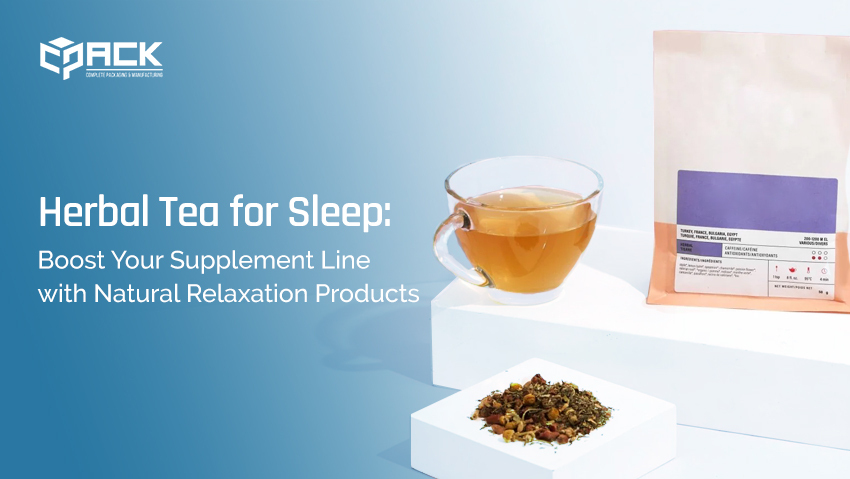
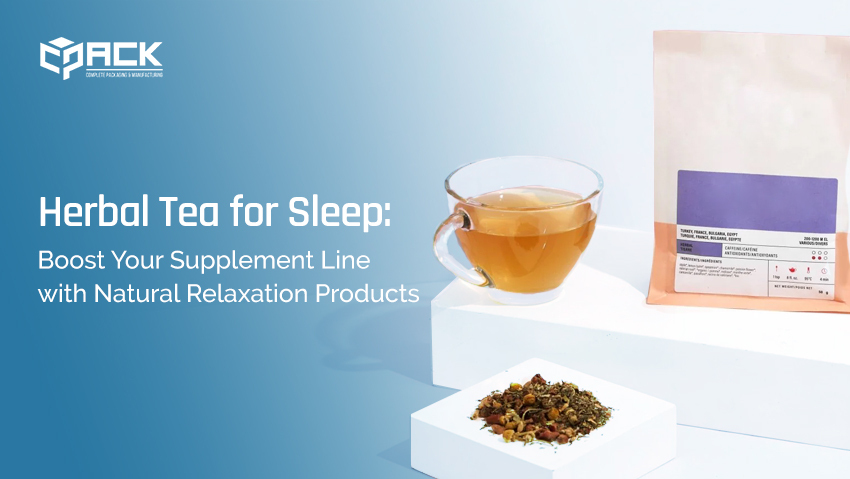
Herbal teas, such as chamomile, valerian root, passionflower, lavender, or lemon balm, have been used for centuries. According to the Sleep Health Foundation, these herbs may aid sleep onset and reduce anxiety, but results are modest and highly individual.
Sleep capsules, however, allow precise dosing of melatonin, magnesium, or multi-herb blends designed for consistent absorption. They can target sleep latency, sleep duration, and deep sleep cycles, offering measurable benefits.
What Is the Most Powerful Herb for Sleep?
The word most powerful, means one that stops your tossing and turning at night. Some herbs have earned a reputation for sleep support:
- Valerian Root – May reduce sleep latency, though results vary.
- Chamomile – Traditionally used for relaxation; mild anxiolytic effect.
- Passionflower & Lemon Balm – Support sleep when anxiety is a factor.
- Lavender – Reduces anxiety and improves sleep quality via inhalation or oral intake.
Despite marketing hype, no single herb is a “miracle drug for insomnia.” Herbal teas offer gradual benefits, but capsules may deliver stronger and more predictable doses.
Are Teas Better Than Supplements?

Teas excel for relaxation and ritual, capsules for consistency, measurable outcomes, and higher active concentrations.
Are Sleep Capsules More Effective Than Herbal Tea?
Effectiveness boils down to bioavailability, dosing, and consistency:
- Capsules allow precise doses of melatonin, magnesium, or herbal blends. Multi-ingredient formulas can improve sleep quality over a placebo.
- Herbal teas are mild, slower, and dependent on brew, portion size, and timing.
- Real-world results often favour the supplement that people take consistently, not necessarily the one with the highest active ingredient per serving.
How Fast Can You Fall Asleep?
People often ask: “What can I take to fall asleep immediately?” or “Is there anything 10 times stronger than melatonin?”
The truth: nothing works like magic. Capsules containing melatonin or magnesium can help regulate circadian rhythms and reduce sleep latency, but immediate sleep depends on your lifestyle, stress levels, and bedtime environment.
Eve herbal teas promote relaxation and support a restful sleep. They help to wind down, not induce instant slumber.
How to Get 100% Deep Sleep
Maximizing restorative sleep requires a combination of:
- Consistency: Same bedtime and wake-up time daily.
- Environment: Dark, cool, quiet bedroom.
- Supplement Support: Capsules offer precise dosing; teas offer a calming ritual.
- Lifestyle Habits: Reduce late-day caffeine, exercise regularly, and manage stress.
Even the best capsule or tea won’t deliver 100% deep sleep if lifestyle factors are ignored.
Capsules vs Herbal Tea: Head-to-Head

Insight for Brands
For supplement manufacturers and private-label brands, some things are essential like:
- Formulation & Dosing: Capsules enable precise control over melatonin, magnesium, and multi-herb blends.
- Quality & Testing: GMP-compliant production, third-party testing, and consistent manufacturing are crucial.
- Consumer Preference: Teas for ritual-focused buyers; capsules for clinically-oriented consumers.
- Multi-Format Strategy: Offering both tea and capsules supports cross-selling, subscriptions, and higher customer retention.
Cpack Manufacturing delivers private-label solutions across capsules, softgels, gummies, and herbal teas, ensuring quality, consistency, and compliance.
Final Verdict: Which Should You Choose?
There’s no universal winner. The key is matching format to your lifestyle, consumer base, and goals:
- Choose tea for ritual, relaxation, and gentle nightly wind-down.
- Choose capsules for precise dosing, consistent absorption, and measurable sleep improvement.
- Offer both to cater to diverse audiences and provide a complete sleep support ecosystem.
The most effective solution isn’t about magic pills or miracle teas. It’s about consistency, quality, and lifestyle alignment. By combining evidence-backed capsules with calming herbal teas, brands can appeal to every sleep-conscious consumer.
What Consumers Want to Know
Q#1: Are teas better than supplements?
Tea is ritualistic and calming, supplements provide measurable, consistent dosing.
Q#2: Are sleeping pills better than natural sleep?
Prescription drugs act faster but carry risks; natural options are gentler, safer, but slower.
Q#3: Who sleeps for 90% of the day?
Very few; extreme oversleeping may indicate health issues.
Q#4: What is the most powerful sleep pill?
Formulated capsules with melatonin and herbal blends are the strongest legal option.
Q#5: Can you absorb herbal tea effectively?
Yes, but bioavailability is modest; capsules offer consistent absorption.